All published content from our knowledge base — guides, how-to’s, and articles.
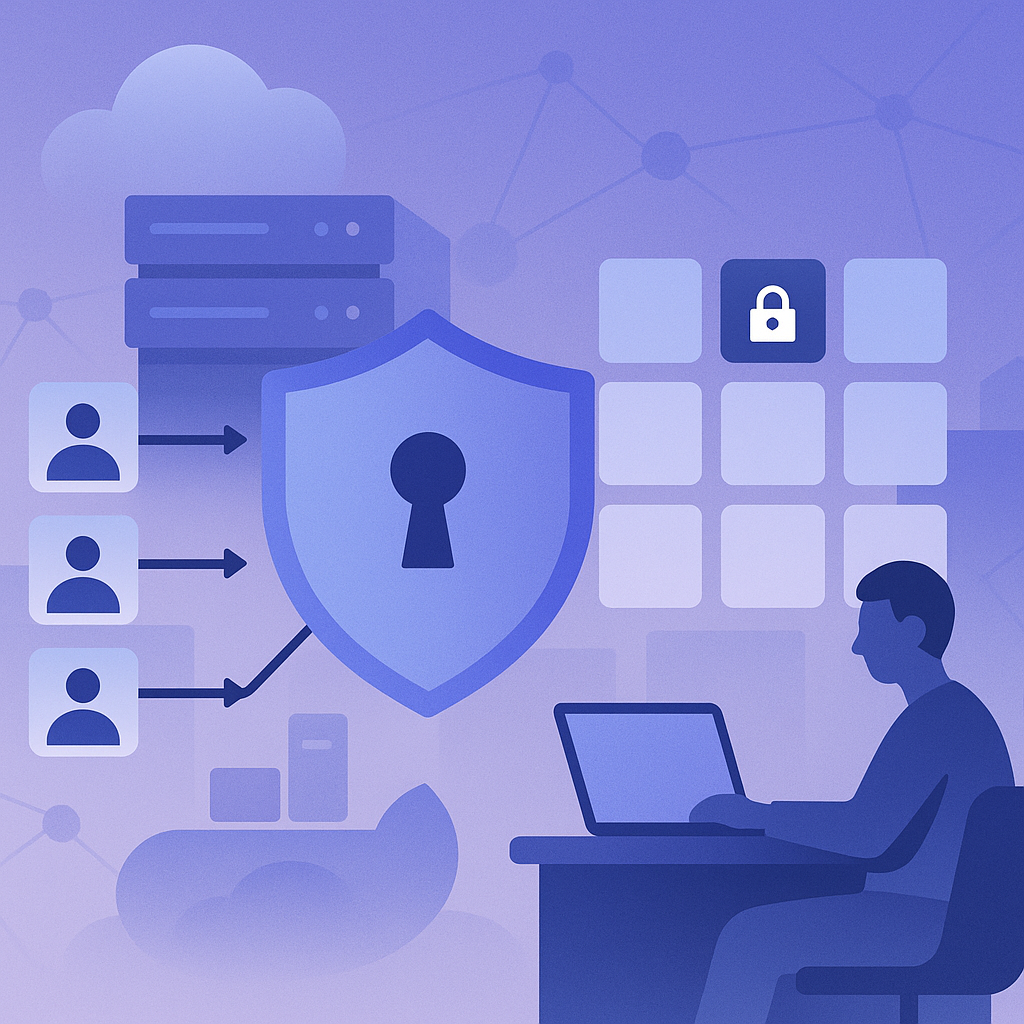
Role-Based Access Control (RBAC) is the most practical way to enforce least privilege for operations teams without making day-to-day work impossible. This guid…
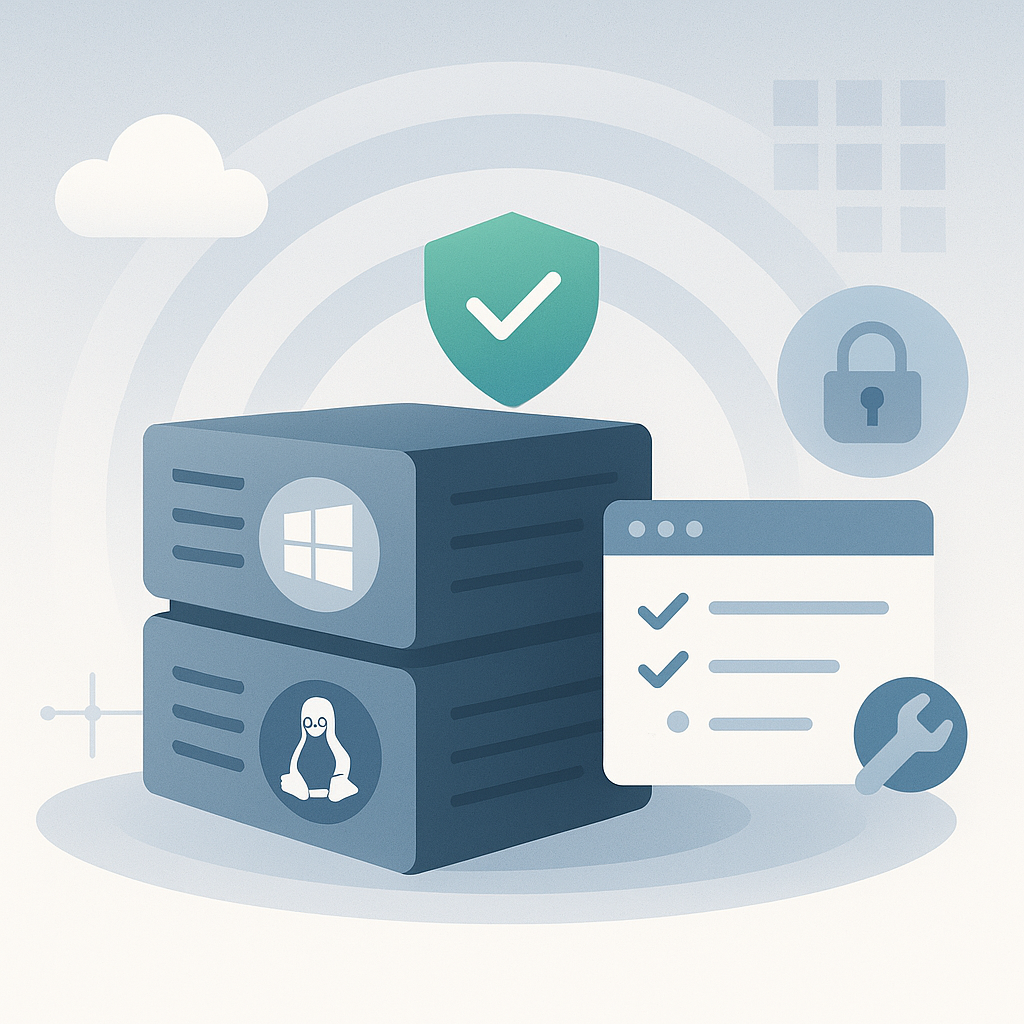
Patch baselines define the minimum approved update level and rules for keeping systems secure and stable. This guide shows how to design baselines that work fo…
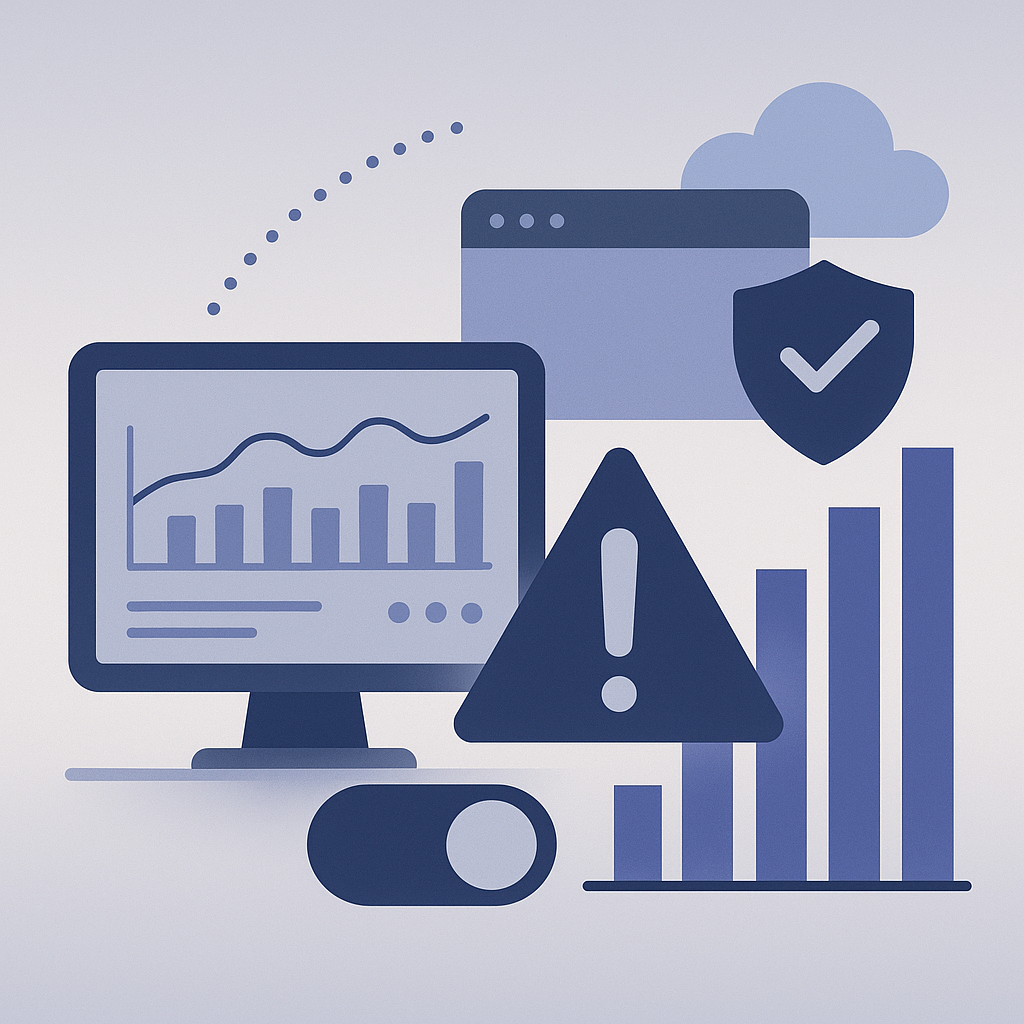
Low-noise alert threshold design is the practice of turning raw telemetry into actionable, reliable notifications. This guide explains how to choose what to al…
Role-based access control (RBAC) is the most practical way to implement least privilege in day-to-day operations—if roles, scopes, and processes are designed w…
Stale hosts and missing telemetry degrade incident response, vulnerability management, and compliance because you cannot trust what is online or being monitore…
Operational patch reporting is the bridge between day-to-day patching work and the evidence auditors expect to see. This guide explains what to measure, how to…
Health snapshots capture point-in-time state across availability, performance, configuration, and security signals. Host scoring turns those signals into an op…
Capacity shortfalls rarely appear out of nowhere; they usually telegraph themselves through measurable signals long before users notice. This guide explains wh…
A unified asset inventory brings servers, endpoints, and cloud resources into a single, trustworthy system of record. This guide explains how to discover asset…
Agent lifecycle management is the discipline of installing, updating, validating, and removing endpoint agents safely and consistently across fleets. This guid…
Auditability and change traceability let you prove who changed what, when, where, and why—across identity, endpoints, servers, network, and cloud. This guide e…
Tenant isolation is the set of technical and operational controls that prevent one customer (tenant) from accessing another tenant’s data or resources in a sha…